
Natural history & medicine / 15th century print tradition
Nettle Nosebleed Powder
A stinging-nettle powder reconstructed from Herbarius Latinus as a historical medicinal preparation.
Source
Herbarius Latinus, Louvain ca. 1485 and Paris ca. 1486 editions.
Question
Why would crushed nettle leaves be prescribed for a nosebleed, and does the plant's irritation response help explain the logic?
Materials
- Urtica dioica leaves
- Granite mortar and pestle
- Linen sieve
- Glass jar
Method
- Compared the Urtica entry in Louvain and Paris editions of Herbarius Latinus.
- Used dried nettle leaves left after another nettle project.
- Ground the leaves with a granite mortar and pestle.
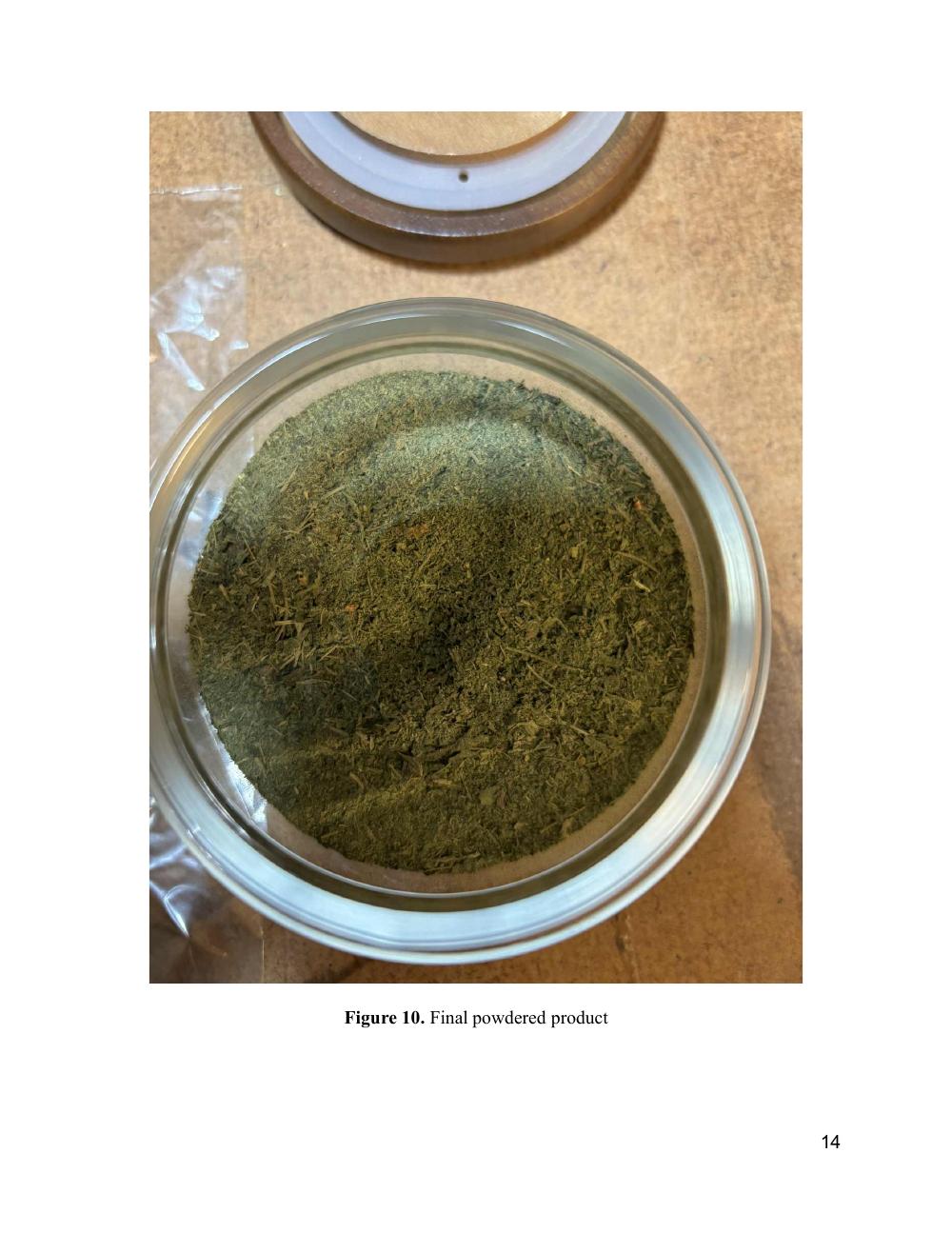
- Sieved and stored the fine powder.
Observations
- The grinding produced a fine green-brown powder with a light vegetal odor.
- The texture was airy and easily dispersed.
- Modern physiology gives a plausible explanation for why the remedy might have appeared effective.
Result
- The project produced a historical preparation and a clearer interpretation of the logic behind the remedy.
Uncertainty
- Historical reconstruction and interpretation, not a suggestion to put nettles in anyone's nose.
- Modern explanation helps interpret the claim but does not turn the remedy into modern medical advice.
References
- Herbarius Latinus. Louvain, ca. 1485.
- Herbarius Latinus. Paris, ca. 1486.
- Larkin, Deirdre. The Use of Nettles in Medieval Medicine.
- Bond, Peter. Nettle Leaf Trichomes, SEM.
Next
- Add the Latin passage, translation notes, and safety boundary more explicitly.